Crete is evolving into one of Greece’s most strategic regions, combining cultural heritage, tourism, and large-scale infrastructure. From energy connectivity to modern transport and ambitious tourism projects, the island is experiencing a transformation that will define its future.
Energy and Infrastructure
Kastelli International Airport
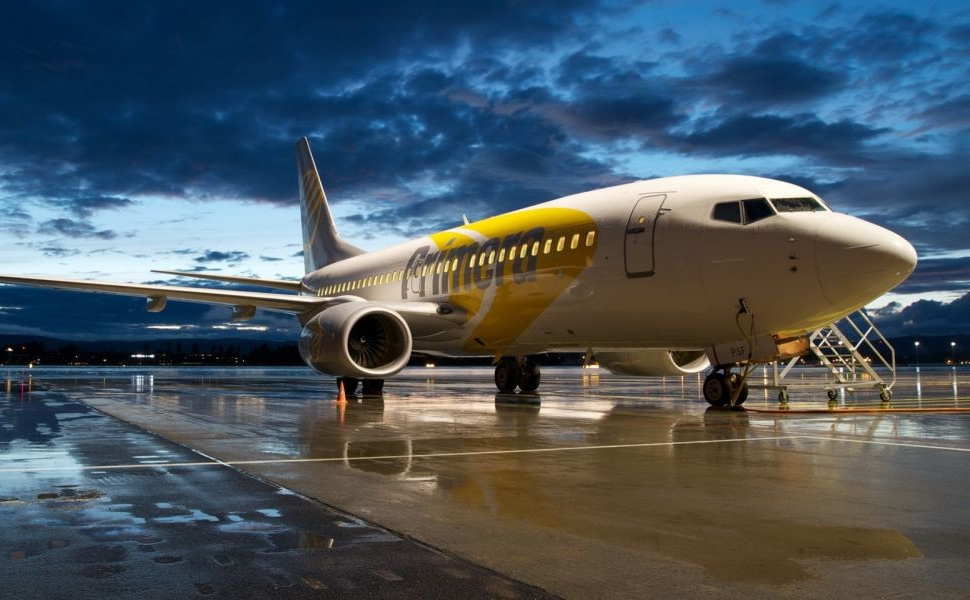
Replacing the overburdened Heraklion airport, the new Kastelli International Airport is a €700 million project now over 60% complete. Expected to open around 2027–2028, it will serve up to 18 million passengers annually, boosting accessibility, tourism, and economic growth.
Energy Interconnections and Renewable Hub
-
Crete–Attica Interconnection: The largest project in Greek energy history (€1 billion), a 330 km subsea cable now operational, linking Crete with mainland Greece.
-
Crete–Peloponnese Interconnection: A €324 million project adding further submarine connectivity, strengthening energy resilience.
-
Amari Hybrid Pumped-Storage Project: Europe’s largest hybrid hydro project and the first in Greece, making Crete a hub for clean and sustainable energy.
BOAK Motorway Upgrade
The Northern Road Axis of Crete (BOAK) is undergoing a €1.75 billion transformation. With tunnels, bridges, and interchanges, this modern motorway will connect Chania, Rethymno, and Heraklion, reducing travel time by 40% and significantly improving safety and logistics.
Tourism and Real Estate Development
Costa Nopia — Kissamos
Dubbed the “Costa Navarino of Crete,” the €303 million Costa Nopia project in Kissamos includes hotels, holiday homes, a golf course, and a marina. Although delayed, its scale promises to transform the region into a premium tourism destination.
Phaea — South Crete
In the municipality of Viannos, Phaea is a €121 million integrated tourism development featuring luxury accommodations and residences. It aims to open new opportunities in southern Crete, traditionally less developed than the north.
Elounda Hills
Elounda, long associated with luxury, is home to the ambitious Elounda Hills project. With bioclimatic landscaping, underground utilities, flood prevention measures, hotels, villas, and a private marina, it emphasizes sustainability while reinforcing Elounda’s reputation as a top-tier Mediterranean resort.
Crete Tomorrow — A Mediterranean Hub
These projects establish Crete not only as a top tourism destination but also as an energy and infrastructure hub for the Eastern Mediterranean. With a new international airport, upgraded road networks, world-class resorts, and renewable energy facilities, Crete is entering a new chapter of growth and global significance.
The island’s transformation symbolizes a future where culture, technology, and sustainable development converge — positioning Crete as one of the Mediterranean’s most dynamic regions.


